Abstract Geometric Shapes Lines Patterns: A Versatile Design for Creative Projects
Abstract geometric shapes, lines, and patterns offer a unique approach to visual design that blends structure with artistic expression. These designs often feature clean, precise forms combined with intricate arrangements of lines and repeating motifs. Unlike more representational art, abstract geometric patterns focus on form, symmetry, and balance, making them ideal for a wide range of applications. Understanding what makes these designs distinct can help you determine whether they are the right choice for your creative or commercial needs.
What Makes Abstract Geometric Shapes Lines Patterns Unique?
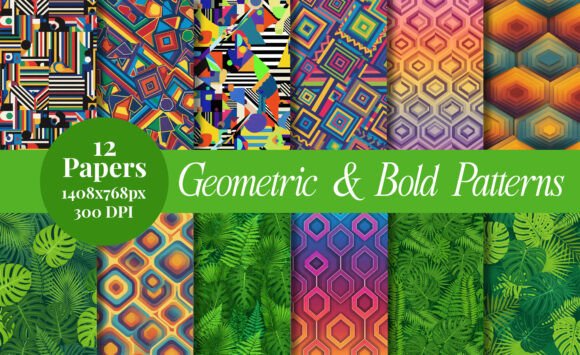
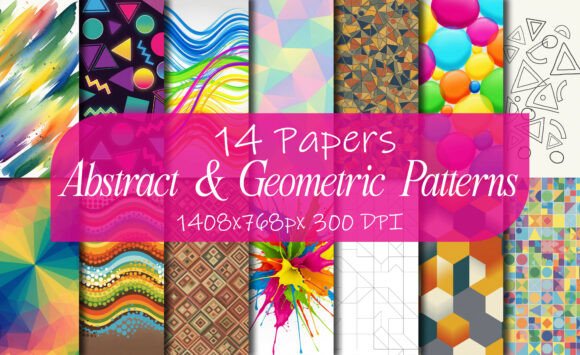
Abstract geometric shapes and patterns stand out due to their emphasis on simplicity and mathematical precision. They often use basic elements like triangles, circles, squares, and polygons, arranged in ways that create visual interest without relying on realistic imagery. The use of lines—whether straight, curved, or jagged—adds depth and movement to the composition. This style is particularly effective when used in backgrounds, borders, or as standalone graphics.
One of the key characteristics of this design style is its adaptability. Whether you're looking for something modern, minimalist, or bold, abstract geometric patterns can be customized to fit different aesthetics. The lack of specific narrative or subject matter also makes them highly versatile, allowing them to work across various industries and projects.
How Does It Compare to Other Design Styles?
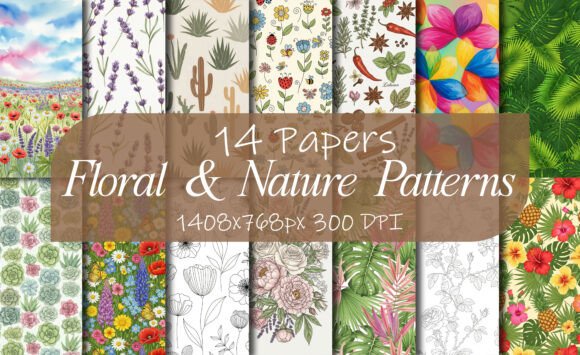
When compared to other design styles, such as floral, cartoon, or photo-based graphics, abstract geometric patterns offer a different kind of appeal. While floral designs often rely on organic shapes and natural themes, geometric patterns emphasize order and repetition. This distinction can make them more suitable for certain contexts, such as tech-related branding or modern interior decor.
Similarly, compared to cartoon or illustrative styles, abstract geometric designs tend to be more restrained in their storytelling. They don't convey specific characters or scenes but instead focus on visual harmony and spatial relationships. This can be both an advantage and a limitation, depending on the project's goals.
In terms of digital formats, many abstract geometric patterns are available as high-quality JPEG files, which are easy to download and use. This format ensures clarity and compatibility across different platforms and devices, making it a practical choice for users who need ready-to-use graphics.
Strengths and Tradeoffs of Using Abstract Geometric Designs
One of the main strengths of abstract geometric shapes and patterns is their ability to enhance visual communication without overwhelming the viewer. Their structured nature can help organize information, guide attention, and add a sense of professionalism to a design. For example, using these patterns in website graphics or social media backgrounds can create a cohesive and modern look.
Another benefit is their scalability. Because they are based on mathematical principles, these designs can be resized without losing quality, making them suitable for both small and large formats. This is especially useful for print projects, such as tote bags, notebook covers, or sublimation graphics, where clarity and detail matter.
However, there are tradeoffs to consider. Some users may find abstract geometric designs too minimal or impersonal, especially if they are looking for something more expressive or emotionally engaging. In such cases, alternative styles might be more appropriate. Additionally, while these patterns are visually striking, they may not always convey the same level of storytelling or cultural context as other design approaches.
Best Fit Situations for Abstract Geometric Patterns
Abstract geometric shapes and patterns are well-suited for projects that require a clean, professional, or contemporary aesthetic. They work particularly well in environments where simplicity and clarity are valued, such as in corporate branding, educational materials, or tech-related content. For instance, using these designs as background elements in presentations or digital marketing campaigns can add a modern touch without distracting from the main message.
They are also ideal for personal creative projects, such as scrapbooking, journaling, or DIY crafts. Many users appreciate the freedom to customize these patterns for their own use, whether it’s printing them at home or taking them to a local store. This flexibility makes them a popular choice among artists, designers, and hobbyists looking for unique yet accessible resources.
Limitations and Decision Factors
Despite their advantages, abstract geometric patterns may not be the best fit for every situation. If the goal is to evoke a specific emotion or tell a story, other design styles might be more effective. For example, a pattern with a strong narrative element could be more appropriate for a children’s book or a themed event.
Another factor to consider is the target audience. Some viewers may prefer more familiar or recognizable designs, while others may appreciate the sophistication of geometric abstraction. It’s important to align the design choice with the preferences and expectations of the intended audience.
Additionally, the availability of high-quality resources plays a role in decision-making. While many abstract geometric patterns are available for free or at a low cost, the quality and variety can vary. Users should look for reliable sources that provide clear, scalable files in formats like JPEG, ensuring they get the best results for their projects.
Realistic Examples and Practical Comparisons
Consider a scenario where a designer is creating a set of printable fabric patterns for a boutique clothing line. In this case, abstract geometric patterns could provide a modern, eye-catching option that complements the brand’s aesthetic. Compared to traditional floral or animal prints, these designs might offer a fresh and innovative alternative that appeals to a specific market segment.
On the other hand, if the same designer were working on a children’s book, they might opt for a more illustrative or cartoon-style design to engage young readers. This shows how the choice of design style can depend on the project’s purpose and audience.
For users interested in exploring abstract geometric patterns, downloading a high-quality bundle can be a practical starting point. These sets often include a variety of designs that can be used across multiple applications, from personalized pillows to social media backgrounds. By having access to a diverse collection, users can experiment with different ideas and find what works best for their needs.
When to Choose Abstract Geometric Patterns
If your project requires a clean, structured, and adaptable design, abstract geometric shapes and patterns may be the right choice. They are particularly useful when you want to add visual interest without complicating the overall look. Whether you’re designing for print, digital media, or personal use, these patterns can serve as a valuable resource.
However, if your goal is to create a more narrative-driven or emotionally resonant design, you may need to explore other options. The key is to evaluate the specific requirements of your project and choose a design style that aligns with those goals.