Stained Glass Geometric Patterns: A Timeless Art Form for Modern Spaces
Stained glass geometric patterns have long been a symbol of artistic craftsmanship and visual elegance. These intricate designs combine the beauty of color with the precision of geometry, creating stunning visual effects that can transform any interior space. Whether you're looking to add a touch of sophistication to your home or enhance the ambiance of a commercial setting, stained glass geometric patterns offer a unique solution that blends functionality with aesthetic appeal.
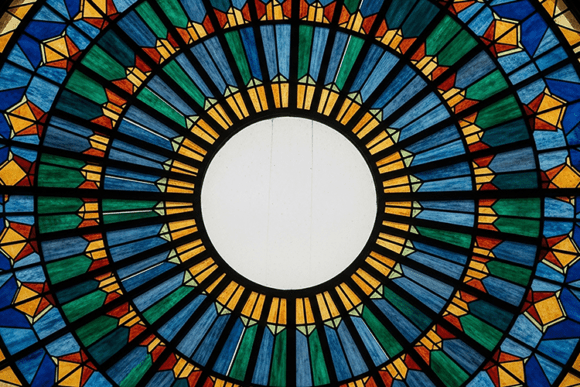
The appeal of stained glass geometric patterns lies in their ability to capture and refract light, producing vibrant hues that shift throughout the day. This dynamic quality makes them ideal for windows, partitions, and decorative panels. With a high-resolution image measuring 5824 x 3264 pixels, a JPG file that is print-ready and of high quality, these patterns are not only visually striking but also practical for various applications.
Understanding Stained Glass Geometric Patterns
At its core, stained glass geometric patterns involve the use of colored glass pieces arranged in precise, mathematical shapes such as triangles, circles, hexagons, and more. These patterns often draw inspiration from historical styles like Art Nouveau, Islamic geometric design, and modern minimalism. The result is a composition that balances symmetry, balance, and visual interest.
Creating these patterns requires both artistic vision and technical skill. Designers must consider how different colors interact, how light will pass through the glass, and how the overall structure will hold up over time. This combination of artistry and engineering makes stained glass geometric patterns a versatile medium for both traditional and contemporary projects.
Challenges and Opportunities with Stained Glass Geometric Patterns
For many, the challenge of incorporating stained glass geometric patterns into their space lies in finding the right balance between style and practicality. Some may worry about the cost, while others may be unsure of how to integrate these designs into existing decor. Additionally, selecting the right size, material, and finish can be overwhelming without guidance.
However, the opportunities that come with stained glass geometric patterns are vast. They can serve as focal points in a room, adding depth and character. They also offer a way to personalize spaces with custom designs that reflect individual tastes and preferences. For businesses, these patterns can enhance branding and create a memorable atmosphere for customers.
How Stained Glass Geometric Patterns Can Help
Whether you're an interior designer, a homeowner, or a business owner, stained glass geometric patterns provide a range of benefits. Their ability to diffuse natural light can reduce glare and create a more comfortable environment. In addition, they can help define spaces, offering subtle separation without the need for physical barriers.
For those seeking to make a statement, these patterns allow for creative expression. From bold, abstract shapes to delicate, symmetrical designs, there's a style to suit every taste. Moreover, with a high-quality, print-ready file, it's easier than ever to bring these designs to life in a variety of formats, including wall art, window coverings, and custom installations.
Practical Applications and Outcomes
Stained glass geometric patterns are incredibly versatile. They can be used in residential settings to enhance living rooms, kitchens, and bathrooms. In commercial environments, they can be incorporated into office spaces, retail stores, and hospitality venues to create a welcoming and distinctive atmosphere.
One popular application is in the creation of stained glass windows. These can be tailored to fit specific dimensions and design preferences, ensuring a perfect fit for any space. Another option is using the patterns in wall art, where the vibrant colors and intricate details can add visual interest to otherwise plain surfaces.
For those interested in DIY projects, having access to a high-quality JPG file allows for easy printing and customization. Whether you choose to frame the design or incorporate it into a larger installation, the possibilities are endless.
Examples, Recommendations, and Considerations
When considering stained glass geometric patterns, it's important to think about the overall design of the space. For example, a modern minimalist home might benefit from clean lines and simple shapes, while a more traditional setting could incorporate elaborate motifs and rich color palettes.
It's also essential to consider the lighting conditions of the area where the pattern will be placed. Natural light can dramatically affect how the colors appear, so testing the design in different lighting scenarios can help ensure the desired effect.
For those new to the concept, starting with smaller projects—such as a single window or a piece of wall art—can be a great way to explore the possibilities. As confidence grows, more ambitious installations can be considered.
Approaching Stained Glass Geometric Patterns Differently
Each user may approach stained glass geometric patterns in a unique way. Some may focus on the artistic value, while others prioritize functionality or cost-effectiveness. Understanding these different perspectives can help in choosing the right design and implementation strategy.
For instance, a designer might look for patterns that complement existing architectural elements, while a homeowner may prefer something that adds a personal touch to their living space. Businesses, on the other hand, might seek patterns that align with their brand identity and customer experience goals.
Regardless of the approach, the key is to find a balance between aesthetics and practicality. By focusing on the specific needs and goals of the project, users can make informed decisions that lead to satisfying results.
In conclusion, stained glass geometric patterns offer a powerful way to elevate any space with color, light, and artistic flair. Whether you're looking for a functional solution or a creative expression, these patterns provide a timeless and adaptable option that can meet a wide range of needs. With the right design and execution, they can become a lasting feature that enhances both form and function in any environment.