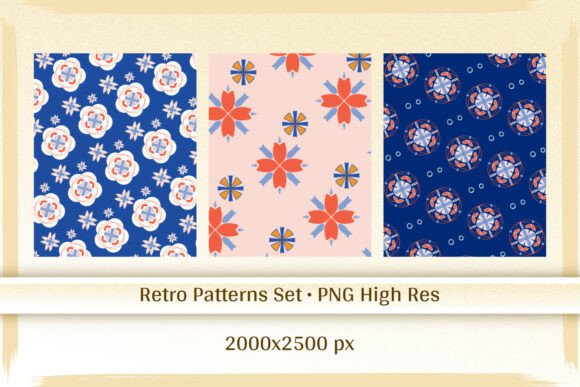
Explore the Charm of Retro Patterns in Modern Design
In today's fast-paced digital world, there's a growing appreciation for the timeless appeal of retro patterns. These designs, inspired by past decades, bring a sense of nostalgia and artistic flair that can elevate any project. Whether you're a designer, a small business owner, or someone looking to add a unique touch to your creations, understanding the value of retro patterns can open up new possibilities. This article will explore the significance of retro patterns, their applications, and how they can be used effectively in various contexts.
What Are Retro Patterns?
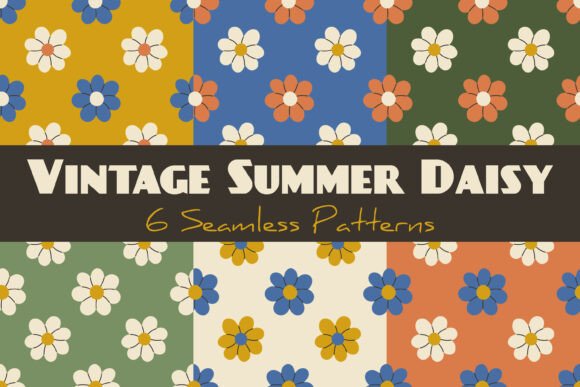
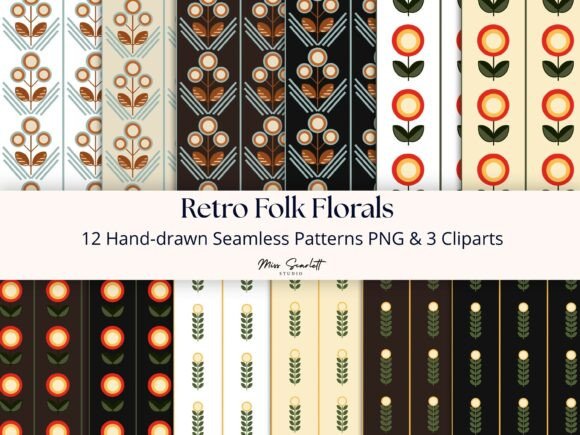
Retro patterns are design elements that reflect styles from previous eras, such as the 1960s, 1970s, or 1980s. These patterns often feature bold colors, geometric shapes, and intricate motifs that were popular during those times. They are not just about looking back; they are about reinterpreting the past in a way that resonates with modern aesthetics.
These patterns can be found in a variety of forms, including textiles, graphics, and digital art. Their resurgence in popularity is due in part to the current trend of vintage and nostalgic design, which appeals to both younger and older generations.
The Significance of Retro Patterns
Retro patterns hold a special place in the design world because they evoke emotions and memories associated with specific periods. For many people, these designs bring back fond recollections of childhood, music, or fashion trends from the past. This emotional connection makes retro patterns particularly effective in marketing and branding, where creating a memorable identity is crucial.
Moreover, retro patterns can serve as a powerful tool for differentiation. In a market saturated with modern, minimalist designs, incorporating a retro element can help a product stand out. It adds character and uniqueness, making it more appealing to consumers who are looking for something different.
Applications of Retro Patterns in Modern Design
The versatility of retro patterns makes them suitable for a wide range of applications. From clothing to digital media, these designs can be adapted to fit various needs and preferences. Let's explore some of the most common uses:
Print on Demand (POD) Products
One of the most popular uses for retro patterns is in Print on Demand (POD) products. These include t-shirts, phone cases, and other merchandise that can be customized with unique designs. The high-resolution PNG images of retro patterns are ideal for this purpose, as they ensure clarity and detail when printed.
For example, a t-shirt featuring a retro pattern can become a statement piece, appealing to customers who appreciate vintage aesthetics. Similarly, phone cases with retro designs can add a personal touch to a device, making it stand out in a crowd.
Company Branding and Digital Media
Retro patterns are also valuable for company branding and digital media. Businesses can use these designs to create a distinct visual identity that resonates with their target audience. Whether it's for social media posts, banners, or website backgrounds, retro patterns can add a creative edge to a brand's online presence.
For instance, a boutique store might use a retro pattern as a background for its Instagram posts, creating a cohesive look that reflects its brand's personality. This approach not only enhances visual appeal but also helps in building a strong brand image.
Stationery and Notebooks
Another area where retro patterns shine is in stationery and notebooks. These designs can transform ordinary items into stylish and functional tools. A notebook with a retro pattern can make daily tasks more enjoyable, while also serving as a conversation starter.
Additionally, planners and journals with retro themes can help users stay organized while adding a touch of creativity to their routines. The combination of functionality and aesthetic appeal makes these products highly desirable among students and professionals alike.
Wall Art and Printable Designs
Retro patterns are also widely used in wall art and printable designs. These can be used to decorate living spaces, offices, or even classrooms. The high-resolution images ensure that the details remain sharp and vibrant, making them perfect for printing.
For example, a printable design featuring a retro pattern can be used as a wall decoration, providing a personalized touch to any room. It's an affordable and flexible option for those who want to express their style without breaking the bank.
Why Choose High-Resolution Retro Patterns?
When selecting retro patterns for your projects, it's essential to choose high-resolution images. These images, typically at 300 DPI, ensure that the designs look crisp and clear when printed or displayed digitally. This level of quality is especially important for print-on-demand products, where the final output must meet high standards.
High-resolution retro patterns also offer greater flexibility in terms of scaling and customization. Whether you're resizing an image for a t-shirt or adjusting the layout for a digital banner, the quality remains consistent, allowing for seamless integration into various formats.
Common Misconceptions About Retro Patterns
Despite their popularity, there are some misconceptions about retro patterns that are worth addressing. One common assumption is that they are outdated or only suitable for niche markets. However, this is far from the truth. Retro patterns have evolved and can be adapted to suit modern tastes and trends.
Another misconception is that using retro patterns is a riskier choice compared to contemporary designs. While it's true that they may not appeal to everyone, their unique charm and ability to stand out can actually be an advantage. With the right approach, retro patterns can be both innovative and commercially successful.
Conclusion
Retro patterns offer a unique blend of nostalgia and creativity that can enhance a wide range of design projects. From print-on-demand products to digital media and stationery, these designs have proven to be versatile and valuable. By understanding their significance and applications, you can harness the power of retro patterns to create visually appealing and meaningful work.
Whether you're a designer looking to expand your portfolio or a business owner seeking to differentiate your brand, retro patterns provide an excellent opportunity to explore new creative avenues. Embrace the charm of the past and discover how it can enrich your present and future projects.